Gaming: The Complete Guide to Modern Gaming (2026)
Gaming
By Muzzamil · 4/16/2026 · 6 min read
Introduction
Gaming has evolved from a simple entertainment activity into one of the largest global industries. What once began with basic arcade machines and console games has transformed into an advanced digital ecosystem involving competitive esports, virtual reality experiences, mobile gaming, and cloud-based platforms.
In 2026, gaming is no longer limited to teenagers or hobbyists. Professionals, students, content creators, and even businesses participate in gaming culture. With technological innovation accelerating rapidly, gaming now combines storytelling, social interaction, artificial intelligence, and immersive digital worlds.
This comprehensive guide explores gaming, its evolution, platforms, benefits, industry growth, and future trends shaping the next generation of interactive entertainment.
What Is Gaming?
Gaming refers to playing electronic games using devices such as computers, gaming consoles, smartphones, or virtual reality systems. These games are designed for entertainment, competition, education, and social engagement.
Modern gaming integrates advanced graphics, realistic physics, online multiplayer systems, and artificial intelligence to create highly immersive experiences. Players can explore virtual environments, complete challenges, collaborate with others, or compete globally in real time.
Gaming today represents not only recreation but also a powerful digital culture influencing technology, media, and communication.
Evolution of Gaming
The history of gaming demonstrates how rapidly technology can transform entertainment. Early video games featured simple graphics and limited gameplay mechanics. Classic arcade games introduced competitive scoring systems and local multiplayer experiences.
The rise of home consoles changed gaming forever by allowing players to enjoy games from their living rooms. Personal computers introduced strategy games, simulations, and online connectivity. The smartphone revolution expanded gaming access to billions of users worldwide.
Modern gaming now includes cloud streaming, virtual reality environments, and cross-platform gameplay, allowing players on different devices to interact seamlessly.
Types of Gaming Platforms
Gaming experiences vary depending on the platform used.
Console Gaming
Console gaming remains one of the most popular forms of gaming. Dedicated gaming systems deliver high-performance graphics, exclusive titles, and optimized gameplay experiences. Consoles are designed specifically for entertainment, offering plug-and-play simplicity.
PC Gaming
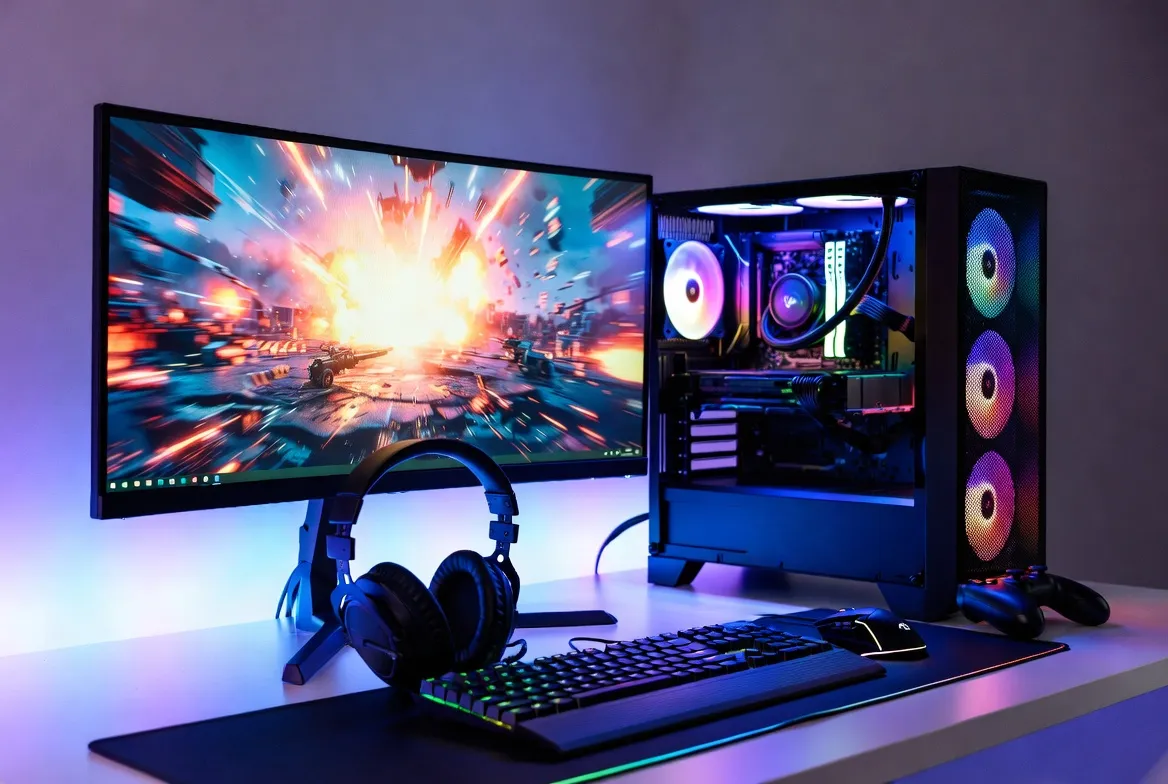
PC gaming provides flexibility, customization, and superior performance potential. Players can upgrade hardware components, modify games, and access a massive library of titles across multiple genres. Competitive gamers often prefer PCs due to higher frame rates and precision controls.
Mobile Gaming
Mobile gaming has become the fastest-growing segment of the gaming industry. Smartphones allow users to play games anytime and anywhere. Casual games, multiplayer battle titles, and strategy games dominate mobile platforms, making gaming accessible to a broader audience.
Cloud Gaming
Cloud gaming represents a major shift in how games are delivered. Instead of relying on powerful local hardware, games are streamed from remote servers. This technology allows users to play high-end games on low-spec devices through internet connectivity.
Virtual Reality and Augmented Reality Gaming
Virtual reality gaming creates immersive environments where players physically interact with digital worlds. Augmented reality blends virtual objects with real surroundings, expanding gaming beyond traditional screens.
Key Features of Modern Gaming
Modern gaming focuses heavily on realism and interactivity. High-resolution graphics, ray tracing technology, and advanced game engines produce visually stunning environments. Artificial intelligence enhances non-player character behavior, creating more realistic gameplay experiences.
Online multiplayer systems allow players to connect globally, forming communities and competitive leagues. Cross-platform compatibility ensures that players using different devices can play together.
Another defining feature is live service gaming, where developers continuously update games with new content, events, and expansions to keep players engaged over long periods.
Benefits of Gaming
Gaming offers several advantages beyond entertainment.
One major benefit is cognitive development. Many games improve problem-solving skills, decision-making abilities, and strategic thinking. Puzzle and simulation games encourage creativity and logical reasoning.
Gaming also promotes social interaction. Online multiplayer games allow players to collaborate, communicate, and build friendships worldwide. For many individuals, gaming communities provide strong social connections.
Additionally, gaming can reduce stress by offering immersive escapism and relaxation. Educational games support learning through interactive experiences, making complex subjects more engaging for students.
Professional gaming opportunities have also emerged through esports tournaments, live streaming, and content creation careers.
The Rise of Esports
Esports has transformed gaming into a professional competitive industry. Organized tournaments now attract millions of viewers globally, with professional players competing for substantial prize pools.
Streaming platforms allow gamers to broadcast gameplay live, creating new entertainment careers. Content creators build audiences through gameplay tutorials, reviews, and live competitions.
Esports teams operate similarly to traditional sports organizations, featuring coaches, analysts, sponsorship deals, and global fan bases.
Gaming Technology Innovations
Technological advancements continue to push gaming boundaries. Artificial intelligence improves game design by creating adaptive gameplay experiences tailored to player behavior.
Graphics processing units have become more powerful, enabling realistic environments and cinematic storytelling. Haptic feedback controllers enhance immersion by simulating physical sensations during gameplay.
Cloud infrastructure allows instant access to large game libraries without lengthy downloads. Meanwhile, virtual reality hardware introduces motion tracking and spatial interaction, redefining player engagement.
These innovations demonstrate how gaming often drives technological progress across the broader tech industry.
Challenges in Gaming
Despite its growth, gaming faces several challenges. Excessive gaming can lead to screen dependency if not balanced with healthy habits. Developers and platforms now encourage responsible gaming practices through playtime monitoring features.
Online gaming environments also require moderation to prevent toxic behavior and ensure positive community experiences. Data privacy and cybersecurity remain important considerations as online gaming platforms handle large user bases.
The environmental impact of gaming hardware production and energy consumption is another emerging concern, encouraging companies to develop sustainable technology solutions.
Gaming Industry Trends in 2026
The gaming industry continues evolving rapidly. Subscription-based gaming services are becoming more popular, allowing players to access extensive game libraries for a monthly fee.
Artificial intelligence is being used to generate dynamic game worlds and personalized experiences. Cross-platform ecosystems are expanding, enabling seamless transitions between console, PC, and mobile gameplay.
The integration of blockchain technology introduces digital ownership concepts such as tradable in-game assets. Meanwhile, augmented reality games are blending real-world exploration with digital gameplay mechanics.
These trends indicate that gaming will become more connected, immersive, and accessible than ever before.
The Future of Gaming
The future of gaming promises revolutionary developments. Fully immersive virtual worlds may allow players to socialize, work, and attend events inside digital environments. Advances in artificial intelligence could enable games that evolve uniquely for every player.
Cloud gaming is expected to reduce dependence on expensive hardware, making high-quality gaming universally accessible. Brain-computer interface research may eventually allow players to control games using neural signals.
As technology progresses, gaming will likely expand beyond entertainment into education, training simulations, healthcare therapy, and virtual collaboration spaces.
Conclusion
Gaming has transformed into a powerful global industry that combines entertainment, technology, and social interaction. From mobile games and esports competitions to virtual reality experiences, gaming continues to shape digital culture and technological innovation.
Understanding gaming helps individuals appreciate its impact on creativity, communication, and future technology development. As new advancements emerge, gaming will continue redefining how people connect, learn, and experience digital worlds.
The future of gaming is immersive, intelligent, and limitless, making it one of the most exciting technological fields of the modern era.